
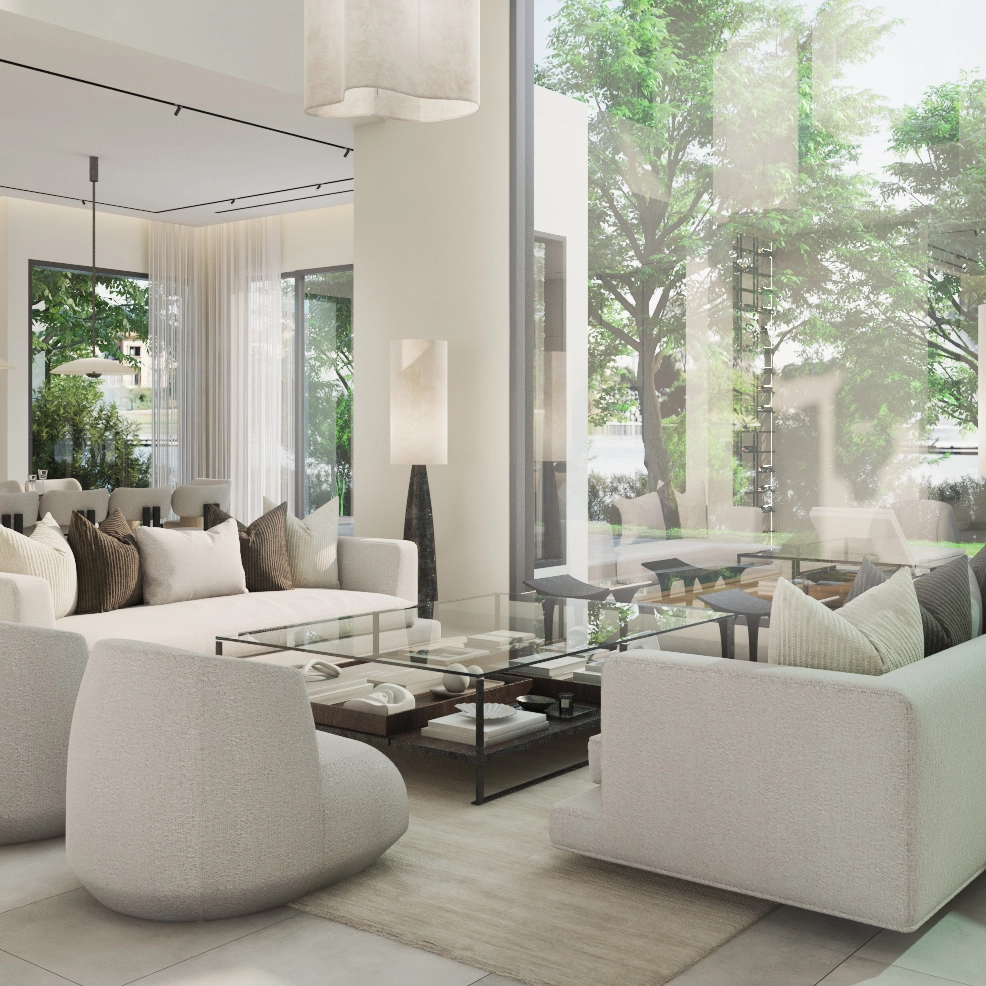
High End Interior Designers Dubai: What Truly Sets the Best Apart
Discover what truly sets high end interior designers in Dubai apart—and how Elliot James delivers bespoke, precision-led design for discerning clients across the UAE.
Searching for high end interior designers Dubai often begins with excitement and quickly becomes overwhelming. Every studio claims to be luxury. Every portfolio is filled with polished photography and carefully curated marketing. Yet when you are planning the interior of a Palm Jumeirah villa, a Downtown Dubai penthouse, or a family residence in Emirates Hills, the decision extends far beyond attractive images. You are choosing the team that will influence how you live, entertain, and experience your home for years to come.
The challenge is knowing how to distinguish genuine expertise from compelling presentation. A truly high end interior design studio combines timeless design thinking with technical knowledge, disciplined project management, exceptional craftsmanship, and accountability from concept through handover. That level of service is rare in Dubai's competitive market, where many firms excel at producing impressive renders but rely heavily on outsourced execution. At Elliot James, this philosophy underpins every residential project, with a fully integrated approach that extends from initial concept to bespoke detailing and final delivery. You can learn more about this complete design process on the firm's Interior Design Company Dubai page.
What High End Interior Designers Dubai Really Deliver
The phrase "high end" is frequently used in Dubai's design industry, but its meaning is often diluted. Expensive furniture alone does not create a luxury interior, nor does specifying imported finishes without understanding how they interact within a space. True high end interior designers Dubai create environments where architecture, craftsmanship, technology, lighting, acoustics, and lifestyle function together seamlessly.
This distinction becomes particularly important across communities such as Dubai Hills Estate, Mohammed Bin Rashid City, Jumeirah Islands, and Bluewaters Island, where discerning homeowners increasingly value timeless quality over visual excess. One of the defining design movements in 2026 reflects precisely this shift. Rather than pursuing opulence for its own sake, sophisticated clients are choosing carefully proportioned spaces, restrained palettes, exceptional natural materials, and bespoke detailing that will remain relevant for decades.
Material specification illustrates this difference clearly. Many designers present marble, timber, or brass as interchangeable luxury finishes. Experienced studios know otherwise. Selecting honed Calacatta Oro instead of a standard polished alternative changes not only the appearance but also the atmosphere of a room. Smoked European walnut offers warmth and depth impossible to replicate with mass-produced veneers. Hand-applied Venetian plaster introduces subtle movement that paint simply cannot achieve.
Equally important is invisible performance. High end homes today integrate acoustic treatments that reduce echo within large open-plan villas, discreet Lutron lighting systems that respond to changing daylight, Crestron home automation concealed within bespoke joinery, and carefully engineered HVAC coordination that protects both comfort and aesthetics. These decisions are rarely visible in photographs, yet they define the experience of living within the completed home.
The strongest studios also manage every stage beyond creative design. Authority approvals, Dubai Municipality fit-out documentation, contractor coordination, procurement, site supervision, installation, snagging, and post-completion support are not separate services—they form part of a single responsibility. This integrated delivery reduces risk while ensuring the original design vision survives construction.
Five Markers That Separate Truly High End Interior Designers Dubai
When comparing design studios, polished portfolios reveal only a small part of the story. Experienced clients look beyond photography to evaluate how a firm works, communicates, and delivers.
- Design begins with lifestyle, not decoration. The best studios spend considerable time understanding how you live before discussing finishes. Family routines, entertaining habits, artwork collections, travel experiences, and long-term aspirations all shape the design direction.
- Material sourcing is international and highly specific. Rather than relying solely on local catalogues, leading studios maintain relationships with specialist suppliers across Italy, the United Kingdom, and Europe, sourcing stone, timber, lighting, furniture, and hardware selected for each individual project instead of generic availability.
- Execution remains under close design control. Beautiful renders lose their value if site execution differs from the original vision. High end studios maintain continuous involvement throughout construction, ensuring bespoke joinery, lighting alignment, architectural detailing, and finish quality are delivered exactly as designed.
- Technical expertise supports creative decisions. Lighting design, smart home integration, HVAC coordination, acoustic planning, and authority approvals are considered from the beginning rather than resolved as construction problems. This proactive approach avoids expensive compromises later.
- The relationship continues after handover. Comprehensive snagging, final adjustments, maintenance guidance, and post-completion support distinguish genuine luxury service from transactional project delivery.
These qualities create measurable long-term value. Premium interiors consistently enhance desirability in Dubai's luxury residential market, particularly in established communities where buyers increasingly expect complete, thoughtfully executed homes. Market insights published by the Dubai Land Department continue to demonstrate the strength of Dubai's premium property sector, where quality design contributes meaningfully to both market appeal and long-term asset performance.
What to Expect from a High End Interior Design Project in Dubai
A high end residential project is not defined by speed; it is defined by precision. Whether transforming a waterfront villa on Palm Jumeirah or redesigning a penthouse overlooking Dubai Marina, successful projects follow a carefully structured process that protects both design integrity and investment.
The earliest phase focuses on discovery rather than decoration. Designers analyse architecture, circulation, natural light, structural opportunities, and the way each space will function throughout the day. This stage often determines the long-term success of the entire project because it establishes the framework for every subsequent decision.
Concept development then evolves into detailed spatial planning, bespoke joinery design, lighting coordination, furniture specification, and highly realistic 3D visualisation. At this point, clients begin experiencing the project as a complete environment rather than a collection of finishes. Adjustments remain relatively straightforward before procurement begins, reducing costly revisions during construction.
As documentation progresses, experienced studios coordinate approvals, technical drawings, procurement schedules, contractor collaboration, and manufacturing timelines simultaneously. This integrated management is particularly valuable when bespoke furniture, specialist European materials, and custom architectural elements require extended production periods. Elliot James' expertise in creating exceptional bespoke furniture in Dubai allows every piece to complement the wider architectural vision rather than feeling selected independently.
Investment expectations should also remain realistic. Complete high end villa renovations in Dubai typically range between AED 500,000 and AED 3,000,000 or more depending on property size, structural changes, material specification, bespoke joinery, imported furnishings, and integrated technology. While turnkey luxury residential projects often fall within approximately AED 150–300 per square foot for premium interior works, exceptional projects extend beyond these figures where architectural interventions or highly customised detailing are involved. Sophisticated homeowners rarely evaluate these investments by initial cost alone; they assess long-term quality, durability, and the confidence that every detail has been executed correctly.
Comparing Interior Designer Tiers in Dubai
CriteriaMid-Range Interior DesignerPremium Interior DesignerHigh End Interior Designer DubaiDesign PhilosophyTrend-led stylingTailored conceptsTimeless, architecture-driven design centred on lifestyleMaterial SourcingPrimarily local suppliersMix of local and internationalSpecialist European sourcing with curated specificationsCustomisationLimited bespoke elementsSelect custom piecesFully bespoke joinery, furniture, and architectural detailingProject ManagementDesign coordination onlyPartial site oversightFully integrated concept-to-handover delivery3D VisualisationBasic rendersHigh-quality visualisationsDetailed immersive visualisation integrated with technical documentationClient CommunicationScheduled updatesRegular collaborationContinuous strategic communication with senior designersApproval HandlingOften outsourcedShared responsibilityComprehensive management including Dubai Municipality fit-out approvalsInvestment RangeLower budgetsPremium residential budgetsAED 500,000–AED 3,000,000+ depending on scopePost-Completion SupportLimitedBasic snaggingComprehensive snagging, refinement, and long-term support
How Dubai's Best Interior Designers Approach Space Differently
Walk into a truly exceptional home and the first thing you notice is rarely the furniture. It is the atmosphere. The proportions feel effortless, natural light moves gracefully through the rooms, and every transition has been carefully considered. This is the difference between decorating a property and designing a home.
The most respected high end interior designers Dubai begin with architecture rather than accessories. They look at how walls can be reconfigured to improve circulation, how ceiling details can create a sense of calm rather than visual clutter, and how every sightline contributes to the overall experience. In large villas across Palm Jumeirah or Emirates Hills, even a subtle adjustment to the relationship between living, dining, and outdoor entertaining spaces can transform how a family uses the property.
Lighting receives the same level of attention. Rather than relying on decorative fittings alone, experienced designers layer architectural lighting, feature pendants, concealed LED details, task lighting, and natural daylight to create environments that change beautifully from morning through evening. The result is not simply a brighter room but a home that feels comfortable regardless of the time of day.
Acoustics have also become a defining characteristic of luxury homes in Dubai. Open-plan layouts, expansive glazing, and stone flooring often create unwanted echo, particularly in modern villas. High end studios address this from the outset by integrating acoustic treatments into ceilings, wall panelling, upholstery, and bespoke joinery. The intervention is virtually invisible, yet it dramatically improves everyday comfort.
Technology follows the same philosophy. Sophisticated homeowners increasingly expect lighting controls, climate management, motorised blinds, home security, and entertainment systems to disappear into the architecture. Instead of becoming visual distractions, these systems are seamlessly integrated into cabinetry, wall finishes, and custom millwork, preserving the calm, refined aesthetic that defines contemporary luxury.
Why Elliot James Represents the Standard for High End Interior Design in Dubai
Choosing among high end interior designers Dubai ultimately comes down to trust. Beautiful images are easy to produce. Delivering that same quality through months of design development, procurement, approvals, construction, installation, and handover is considerably more demanding.
This is where Elliot James has established its reputation. The studio's British design heritage brings a philosophy of restraint, precision, and timeless elegance rather than short-lived trends. Every decision is driven by proportion, craftsmanship, and material authenticity, creating homes that feel sophisticated today and remain relevant years into the future.
That approach resonates strongly with internationally minded clients purchasing homes in communities such as Dubai Hills Estate, Jumeirah Islands, Downtown Dubai, and Mohammed Bin Rashid City. Many have lived in London, Singapore, Europe, or North America and appreciate understated luxury over visual excess. They value a home that reflects their lifestyle rather than current fashion.
Equally important is accountability. Elliot James provides an integrated service that encompasses concept development, detailed technical documentation, authority coordination, procurement, bespoke furniture, fit-out management, styling, and post-completion support. Clients work with one experienced design team throughout the project rather than navigating multiple consultants with competing priorities.
Attention to detail extends well beyond visible finishes. Bespoke joinery is designed around the way clients live rather than standard cabinet dimensions. Lighting layouts are coordinated alongside furniture planning instead of being added later. Imported natural stone is selected slab by slab to achieve consistency in veining. Even drawer hardware, door reveals, and shadow gaps receive the same level of consideration as statement features.
The result is a home where every detail feels intentional. Nothing competes for attention because everything belongs. That quiet confidence has become one of the defining characteristics of British-inspired luxury interiors in Dubai and reflects the expectations of clients seeking lasting value rather than temporary spectacle.
Conclusion
Choosing among high end interior designers Dubai is ultimately about far more than selecting the most attractive portfolio. The strongest studios combine architectural thinking, technical expertise, exceptional craftsmanship, disciplined project management, and genuine accountability from the first sketch through final handover. When those qualities come together, they protect your investment, enhance the long-term value of your property, and create a home that feels as remarkable to live in as it appears in photographs.
If you are planning a villa renovation, penthouse transformation, or bespoke residence in Dubai's most prestigious communities, begin with a conversation that focuses on your lifestyle rather than a catalogue of finishes. Explore Elliot James' approach to timeless, precision-led residential design through the studio's Services and discover how thoughtful design can shape not only the appearance of your home, but the way you experience it every day.
Frequently Asked Questions
What makes an interior designer "high end" in Dubai?
A high end interior designer in Dubai delivers significantly more than attractive concepts or premium finishes. The defining characteristics include strategic space planning, bespoke detailing, international material sourcing, technical coordination, authority approvals, project management, and close supervision throughout construction. The experience is comprehensive, with one studio taking responsibility for every stage from concept to post-handover support.
Equally important is consistency. A genuinely high end designer ensures the quality presented during the design phase is maintained throughout procurement, installation, and final completion. This integrated approach protects both the client's investment and the integrity of the finished home.
How much does a high end interior design project cost in Dubai?
Investment varies according to property size, scope of renovation, structural modifications, and the level of customisation involved. For complete luxury villa renovations, clients should realistically expect budgets ranging from approximately AED 500,000 to AED 3,000,000 or more. Homes featuring extensive bespoke joinery, imported materials, specialist lighting, and integrated smart home technology naturally sit toward the higher end of that range.
Rather than focusing on headline cost alone, experienced homeowners evaluate long-term value. Superior planning, exceptional craftsmanship, durable materials, and professional project management reduce future maintenance while supporting stronger resale appeal in Dubai's premium residential communities.
How long does a high end interior design project take?
Most high end residential projects require several carefully managed phases including concept development, detailed design, approvals, procurement, construction, installation, and final styling. Depending on complexity, many complete villa renovations take between eight and eighteen months from initial consultation to handover.
Projects involving specialist European suppliers or extensive bespoke manufacturing may require additional lead times. Experienced studios plan these schedules early, coordinating procurement alongside construction to minimise delays without compromising quality.
How should you evaluate an interior designer's portfolio?
Photography should be the starting point rather than the deciding factor. Look for evidence of consistent design thinking across multiple projects instead of dramatic visual differences created purely through styling. Pay attention to proportion, detailing, material quality, architectural integration, and whether spaces appear genuinely comfortable to live in rather than staged exclusively for publication.
It is also valuable to ask how each project was delivered. Understanding whether the studio managed construction, coordinated approvals, oversaw procurement, and supervised installation provides a far clearer picture of capability than finished images alone.
What questions should you ask before signing with a Dubai interior design studio?
Begin by asking who will personally manage your project from start to finish. Clarify whether design development, technical documentation, authority approvals, procurement, fit-out coordination, and post-completion snagging are all included within the agreed scope. These responsibilities vary considerably between studios and directly affect the quality of the finished result.
You should also discuss sourcing, communication, programme management, and aftercare. Understanding how materials are selected, how progress is reported, how unforeseen issues are handled, and what support is available after handover will provide valuable insight into the studio's professionalism long before construction begins.
